Special Education School Vs Traditional Schools
Choosing the right school can be difficult for parents of children with learning differences. Many families begin in a traditional classroom and later realize their child needs something different.
When a child struggles with focus, organization, or academic pace, the environment can make a big difference in how they learn and grow. If your child qualifies for a special education school, you may be wondering how schools are different from traditional schools.
In many public schools, the structure is designed for large groups of students. Teachers often follow a standard general education curriculum, and the pace of instruction moves quickly. While this approach works well for many children, it may not meet the needs of those who require more individualized support.
Families sometimes begin comparing traditional education with specialized options. That’s why understanding the differences between a special education school and a traditional school can help parents decide what environment will best support their child’s learning and development. Below are some of the factors that differentiate special education schools from traditional schools.
1) Environment Created for Neurodiverse Learners
A special education school is designed specifically for neurodiverse students, students with disabilities, children with developmental disabilities, and many other learning issues. The environment is structured to reduce distractions and provide consistency so students can focus on learning. These schools often build their routines around the needs of children with disabilities, creating spaces where students feel supported and understood.
In contrast, many classrooms in the public school system must serve a wide range of learners at the same time. The structure of most schools is shaped by guidelines from the Department of Education, which means the environment is often designed for general instruction rather than specialized learning needs.
For neurodiverse learners, a purpose built setting can make a major difference. Schools like Pathway School in Laguna Hills create environments that are intentionally supportive, helping students feel comfortable, confident, and ready to engage in learning.
2) Student Centered Approach
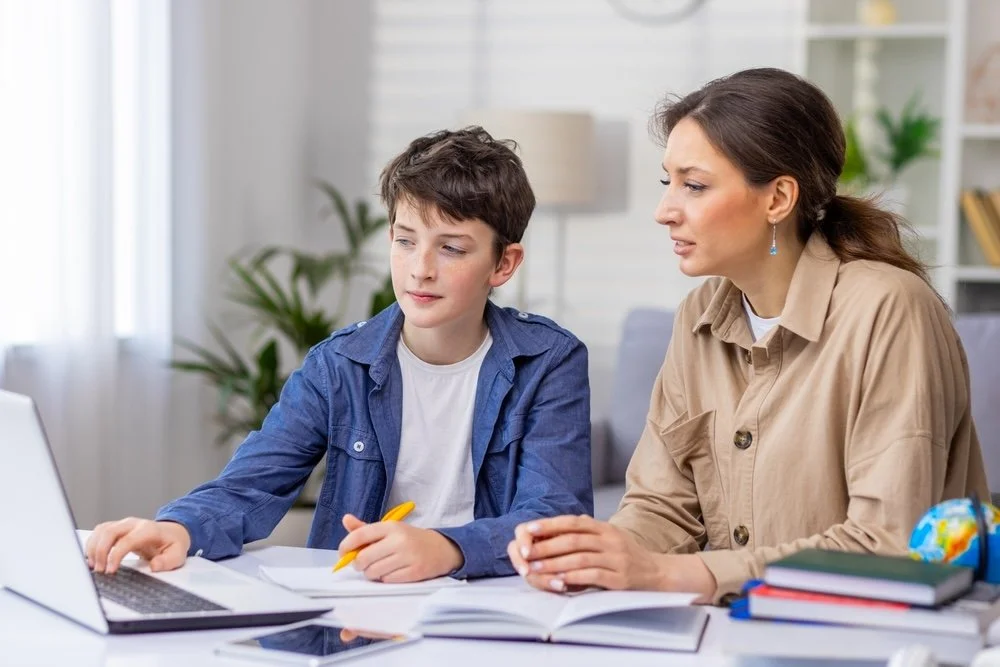
Special education schools focus on teaching methods that respond directly to each student’s needs. Instruction is often guided by a special education program that includes personalized strategies and hands-on learning. Teachers adjust lessons so students can understand material through different methods and experiences.
Traditional general education classrooms often follow a broader structure built around the general education curriculum. In large classes, teachers may not always have the flexibility to adapt lessons for every learner, even when a special education teacher provides additional assistance.
For neurodiverse students, an individualized education program can make learning more accessible. At Pathway School, multisensory and interactive lessons help students stay engaged while building skills in reading, writing, and math through structured instruction that supports different learning styles.
3) Smaller Classroom Size
Special education schools typically maintain smaller class sizes so students can receive more individual attention. Teachers are able to observe how each child learns and respond quickly when additional help is needed. This allows educators to support students consistently throughout the day.
In many public schools, class sizes are larger because they serve the broader population within their school districts. Even when students are receiving special education services, they may spend much of their day in a crowded classroom where teachers must divide their time among many students.
At Pathway School, this environment allows educators to guide students more closely, helping them stay engaged and confident in their learning. Smaller classes provide a calmer learning space and stronger relationships between teachers and students.
4) Frequent Assessment and Progress Monitoring
Special education schools often rely on ongoing assessment to understand how students are progressing. Instead of waiting for yearly evaluations, teachers regularly monitor growth and adjust instruction as needed. This allows learning plans to evolve as students improve.
Specialized schools can monitor progress more frequently and respond more quickly. Students at Pathway School get regular academic assessments to help teachers refine instruction so students continue moving forward and experiencing success.
5) Christian Values
Another difference between some specialized schools and traditional systems is the role of faith and character development. Private schools are able to integrate values and personal growth into their educational approach.
Public institutions operate under policies that are law-required for government funded education. These guidelines ensure equal access to educational services but typically separate faith-based instruction from daily learning.
Pathway School, on the other hand, provides an environment where academic growth and character development happen together. Being a Christian school, students participate in activities that emphasize compassion, responsibility, and service. This approach helps students grow not only academically but also personally as they prepare for high school and future learning.
Best Special Education School in Laguna Hills, CA
Every child learns differently, and the right school environment can shape how they experience learning and personal growth. When families compare traditional schools and special education schools, many discover that smaller classes and individualized instruction provide the support their child needs.
For parents in Southern California, especially those near Laguna Hills, Pathway School offers a specialized environment designed to help students build skills, confidence, and academic progress. Visiting Pathway School and speaking with educators can help families understand how this supportive approach may benefit their child’s educational journey.